
It’s very different now compared to 20 years ago.

It is harder than ever for voluntary sector organisations, whether an individual volunteer involving organisation (VIO) or a volunteer infrastructure organisation, to promote volunteering to people who might be interested in volunteering. The world was very different twenty years ago.
For starters the world of marketing has changed. In 2005 there were no iPhones and apps, but we did have email. We had posters and leaflets and do you remember business cards? I actually gave one out last week, but that was an unusual experience. But then it could be just that no one wants my details?!
The average person living in the UK is bombarded with marketing messages from the very moment they wake up until they lay their head back down on their pillow at night. Our phones are often used to wake us up and as soon as they do we will be presented with app notifications, instant messages and emails waiting for our attention, many of them tempting us to buy that thing we looked at once briefly.
After we wake up we may turn on our smart TV, watch YouTube or other streaming service and, again, will be presented with marketing, branding and advertisements in various forms. As we travel to work we will see physical adverts on the streets, on buses and trains. Our heads often glued to our phone seeing more adverts and often hearing them in our earphones as well.

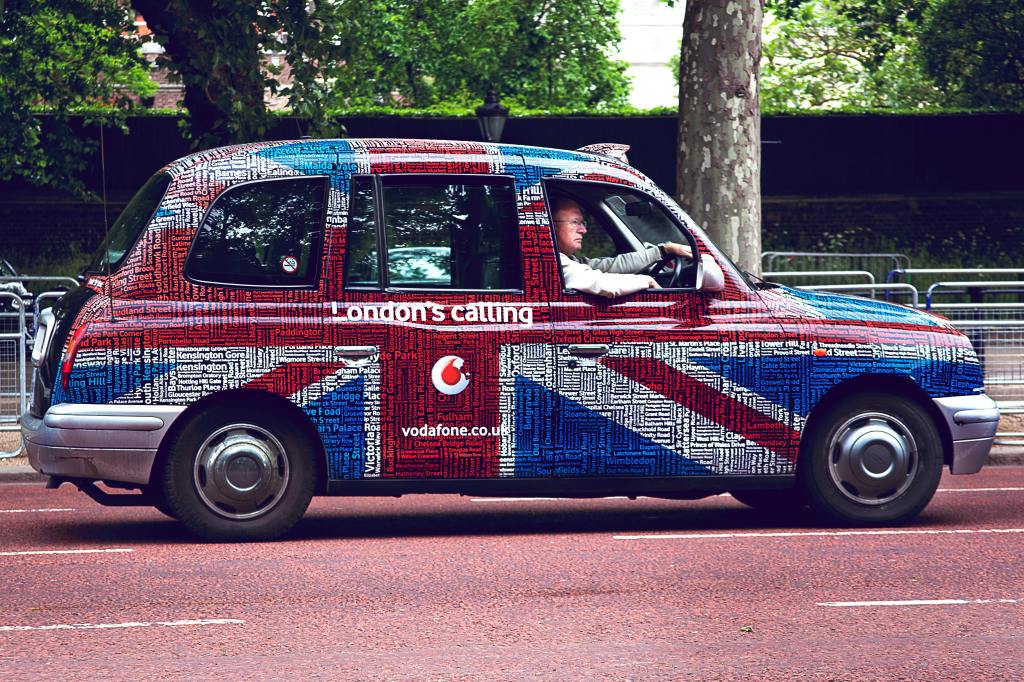

We get to work and all day we will receive emails, perhaps even calls, of companies that want to sell the organisation you work for their product or service. Heaven forbid we pop out for a coffee or lunch and we are again bombarded with marketing messages all around us as well as on our phones that we cannot stop checking.
This continues for the rest of the day as we travel home and then spend our evening being subtly and not so subtly marketed too via our televisions and phones.
Realising this, what percentage of the marketing messages we receive throughout an average day are related to volunteering?
It is negligible, tiny and mostly barely noticed. When voluntary sector organisations try to promote volunteering we are competing with every other single marketing message.
Being realistic the best a volunteer involving organisation (VIO) can do is:
- encourage people to follow its social media accounts
- utilise SEO so people can find its website
- hope people sign up to their newsletter (or are newsletters now dead?)
If we get an email address we can send a targeted message so it has an increased chance of being read if they have shown interest previously, but even then we are still competing with all the other messages, not just email, we receive.
Too many volunteering platforms
I hope it is not a controversial thing to say, as it seems rather obvious, but in the UK we have too many volunteering platforms. There are too many websites, platforms and apps to search for volunteering and more keep on coming. This means that there is not a single place for an individual to go to find a suitable role as they are spread across these ever-growing platforms and apps.
During my working leading the London Vision for Volunteering report (March 2025), many Londoners complained how it was difficult to know where to look for volunteering opportunities.
“if you are not already linked into local networks and don’t know what platforms exist then it is hard to know where to start.”
Londoner feedback to London Vision for Volunteering
Up until the mid 2010s there was mainly one national website for volunteering, called Do-it and pretty much all local volunteer infrastructure systems used a local Do-it database that fed into the national one. Because the new version of Do-it in the mid 2010s did not have a free to use local database, volunteer infrastructure organisations each went their own way and started to use a platform that worked for them, e.g. integrating with their other systems and work as well as within their ever-decreasing budget.
In 2025 there are now a number of different platforms used by volunteer infrastructure organisations across the country which are not joined up. In London, Simply Connect London joins up the London boroughs which use the Simply Connect platform which is about half of them. As well as the local authority area platforms across the country there are a number of different apps and this year the NHS has launched its national volunteering platform (currently still in Beta form) and the Royal Voluntary Service will be launching a new national platform on October 17th.
If you are VIO looking to promote a volunteer role you will likely have a local platform you can use and your own social media, but where else do you choose? Other platforms mean more work in uploading the information in each provider’s specific way. Most VIOs just don’t have this time or resource.
Wrapping this up
All these factors together means that connecting a person who wants to volunteer with an organisation who needs a volunteer is so much harder than it ever used to be. Promoting volunteering opportunities now means to compete with global brands with a budget of millions plus dealing with an over complicated web of mostly unjoined up volunteer brokerage platforms.
 Dominic Pinkney's World of Volunteering